MTA Firing Report, 2025-12-06

by Dave Nordling, RRS.ORG

The University of Southern California’s Liquid Propulsion Laboratory (USC LPL) had a static firing event at the RRS Mojave Test Area (MTA) on Saturday, December 6, 2022. I was the Rockets Class 1 pyrotechnic operator in charge for this set of liquid engine static firing operations. By appointment, the USC LPL team arrived on the Friday before and leak check operations were overseen by Osvaldo Tarditti, who was the pyro-op in charge for that previous day. My colleague, Mark Ferguson, joined me during that day to help oversee operations and learn more about the changes at the MTA. Mark is a returning member to the society and has professional rocketry experience.
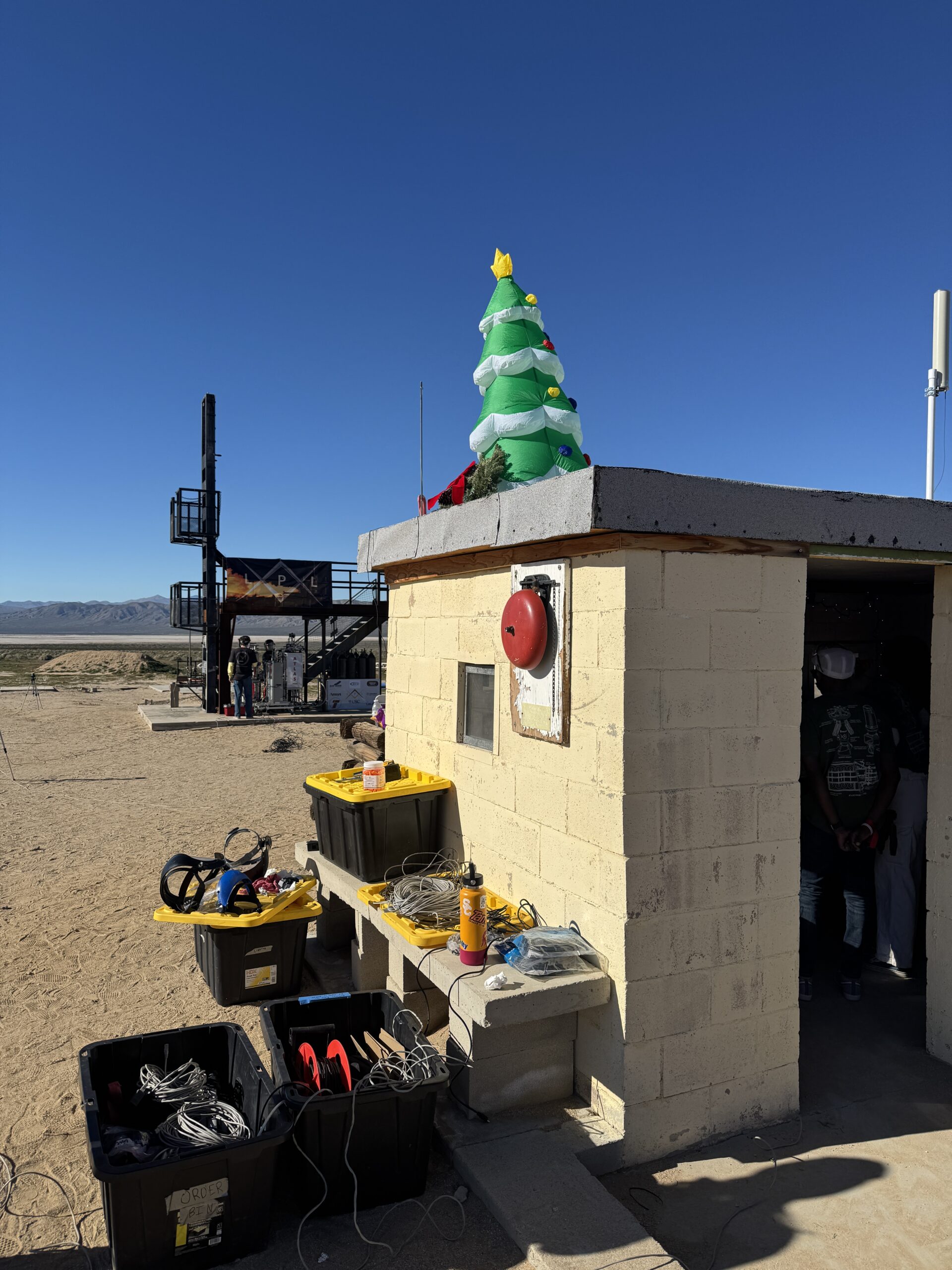
As this was my first operation with the USC LPL team, I reviewed their P&ID, test plan and operations checklist. USC was very organized and open to questions. Leak check operations are one of the potentially hazardous operations in liquid rocketry. The RRS is working on building a common set of guidelines for all users of the MTA which will help maintain consistency and safety among all operations. My notes on this topic will be presented at the January 9, 2026, monthly meeting.
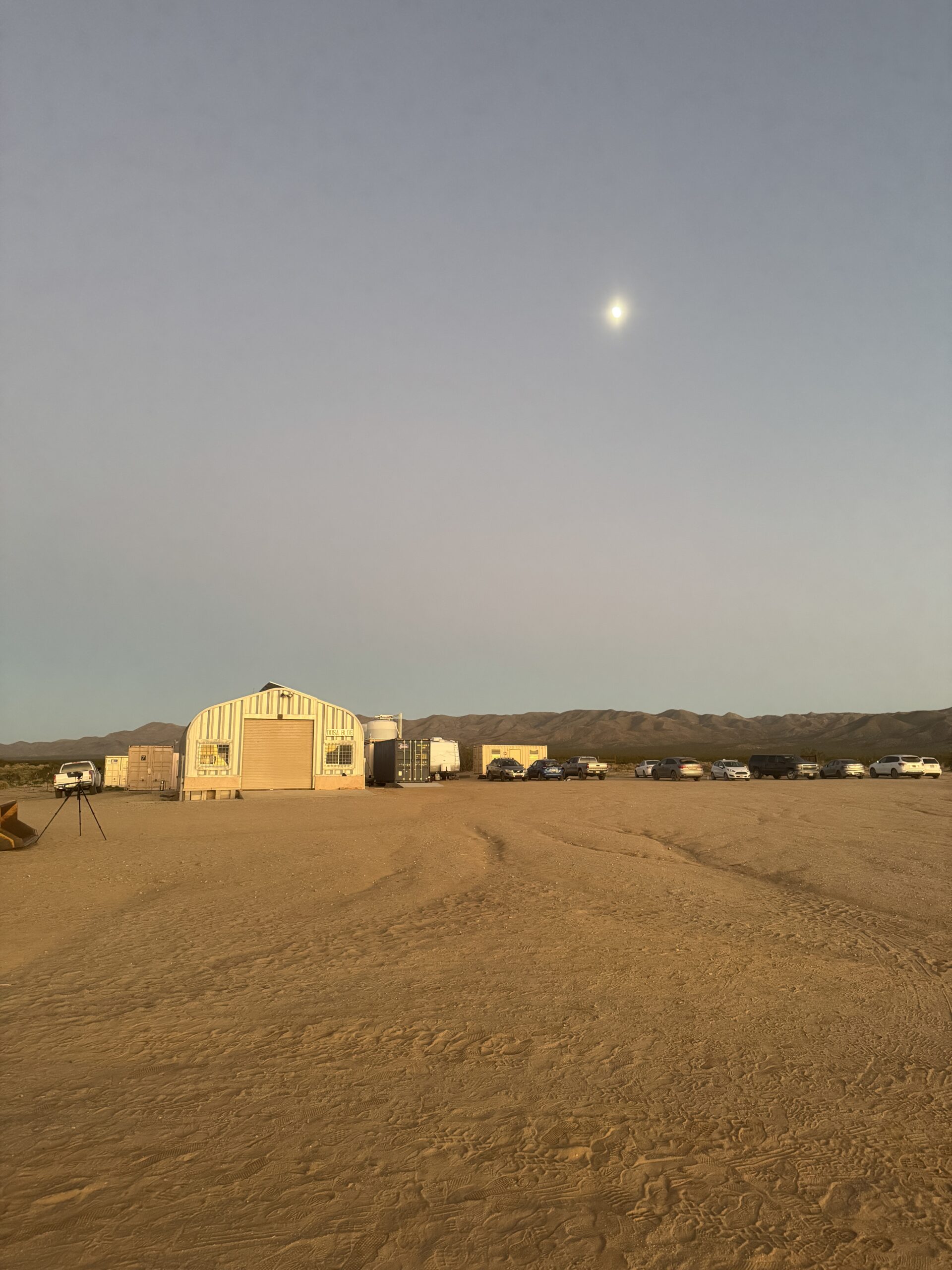
Despite having limited daylight hours in these winter months, the weather was warm and pleasant during the day with little to no winds at all. Upon my arrival, the USC LPL team gathered for the safety briefing prior to beginning operations. Questions were answered and expectation and goals for that day were discussed. The USC LPL team also parked their vehicles more to the northern side of the Dosa Bldg. which avoids crowding or parking outside of the RRS MTA property boundary. The RRS appreciates teams keeping their footprint small during their time at the MTA and the number of attendees limited to only those who are essential to operations.
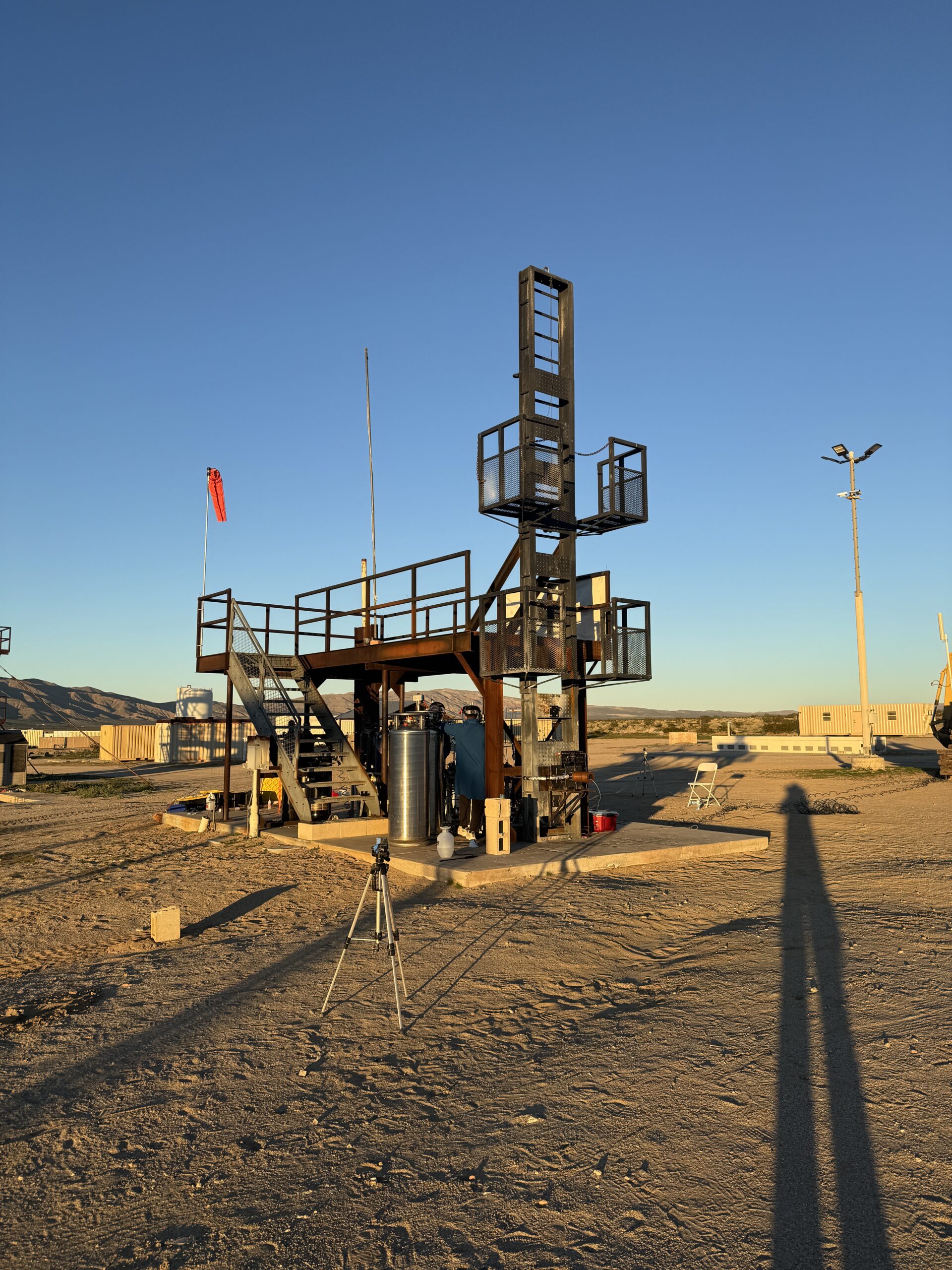
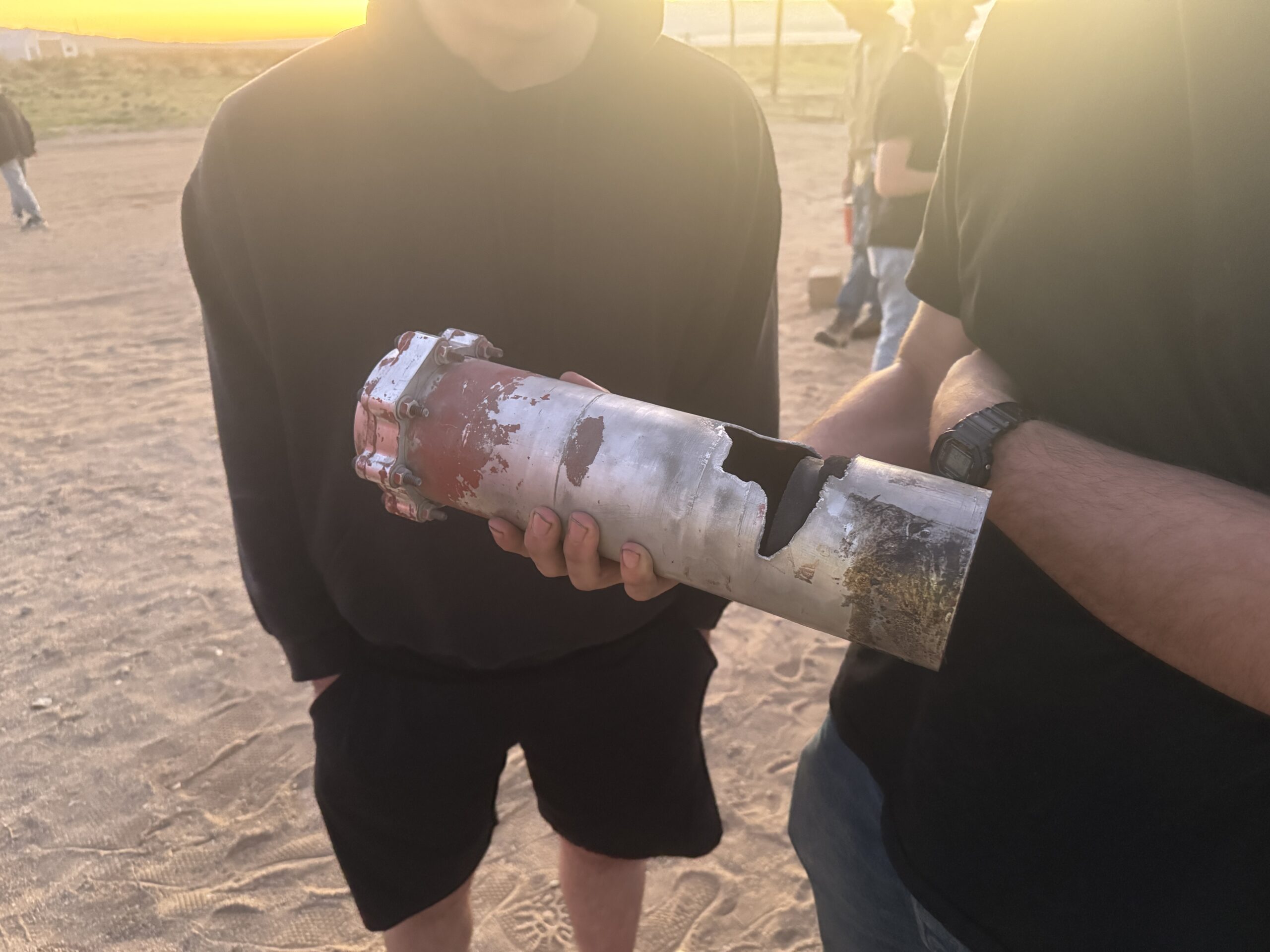
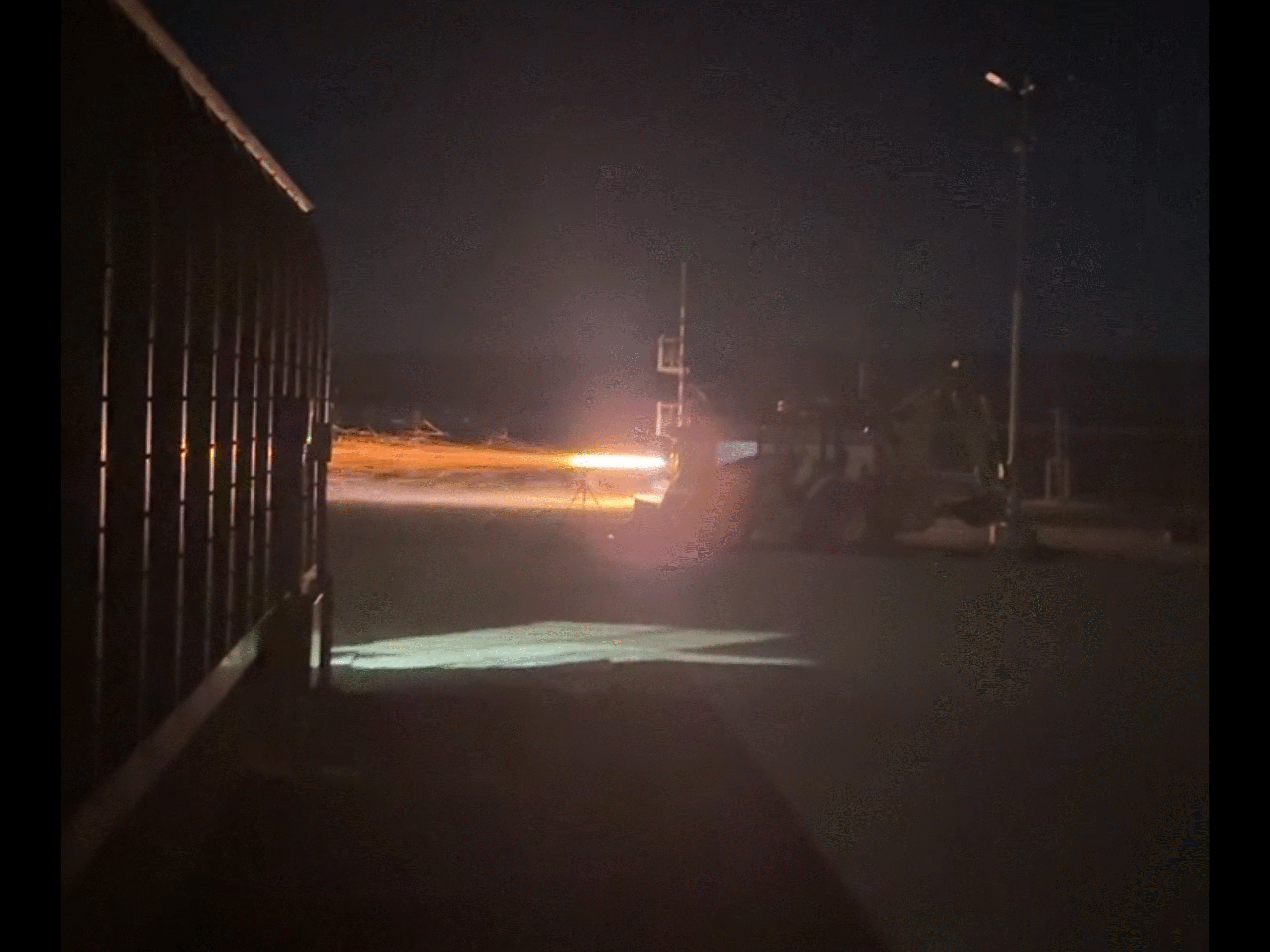
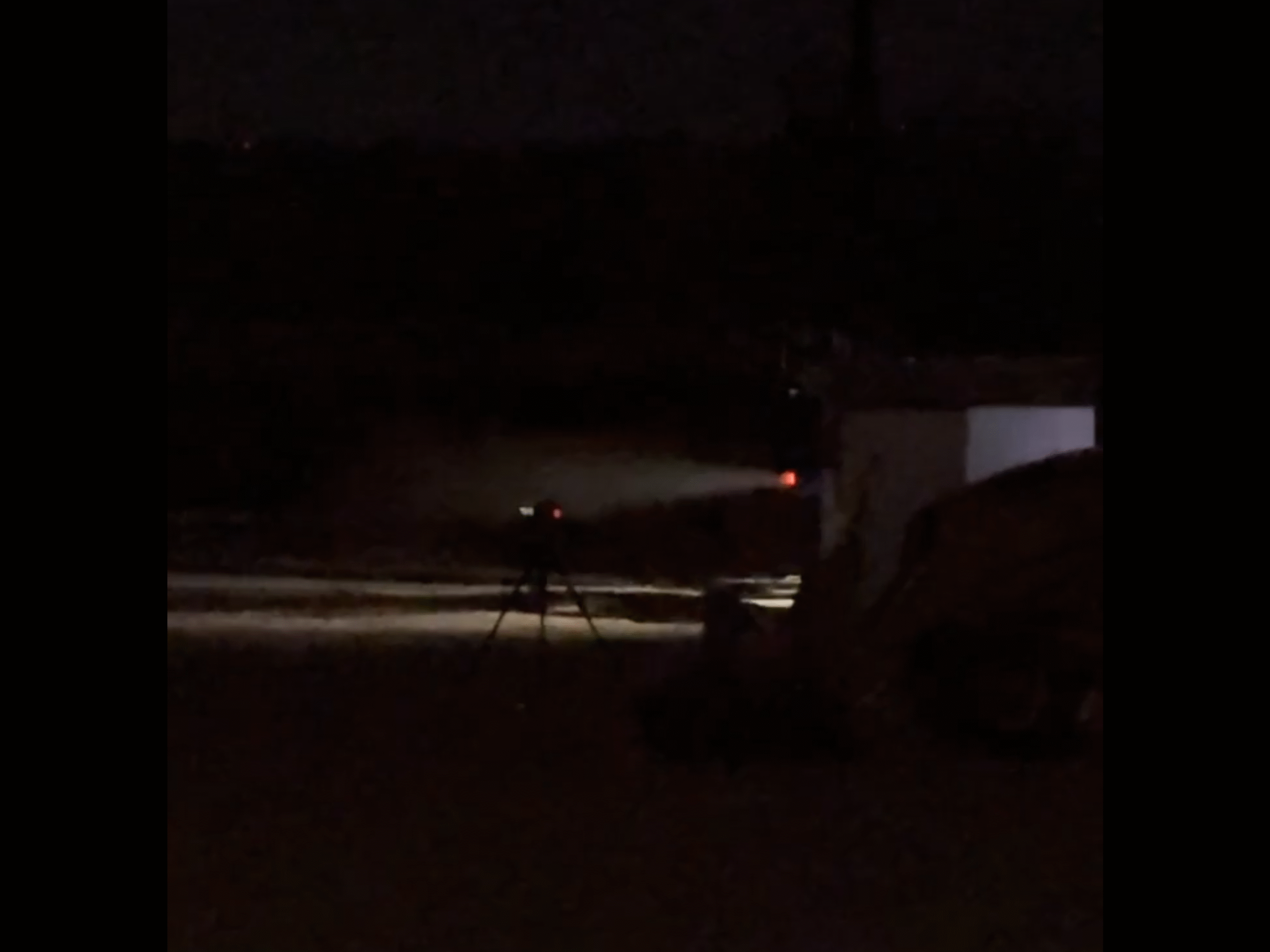
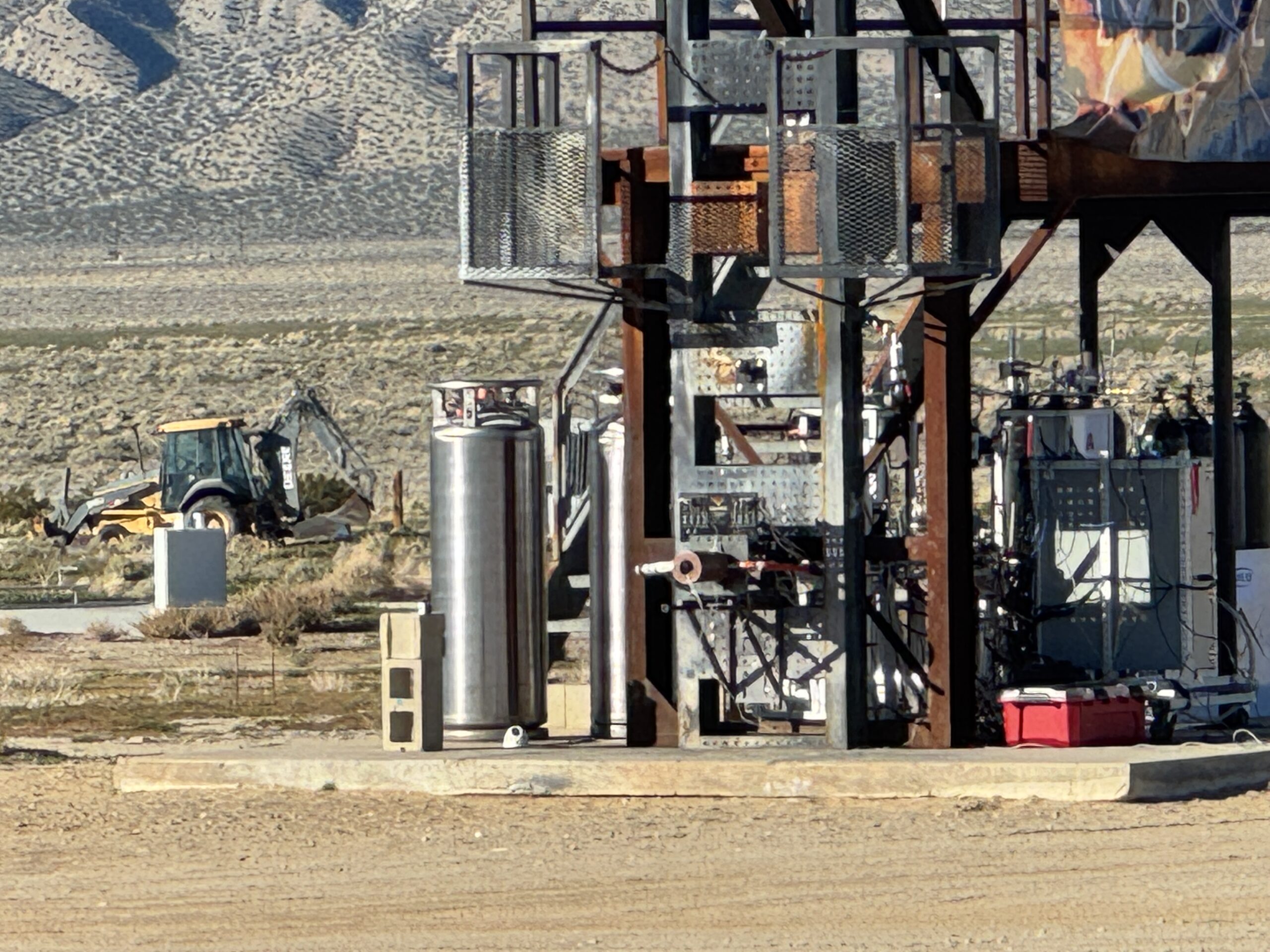
The USC LPL team fired a 675 lbf thrust engine with a simple copper heat sink chamber for limited durations. Jet-A and liquid oxygen were the propellants. Pyrotechnic ignition was from a injector head mounted cartridge triggered by wires running up the chamber.
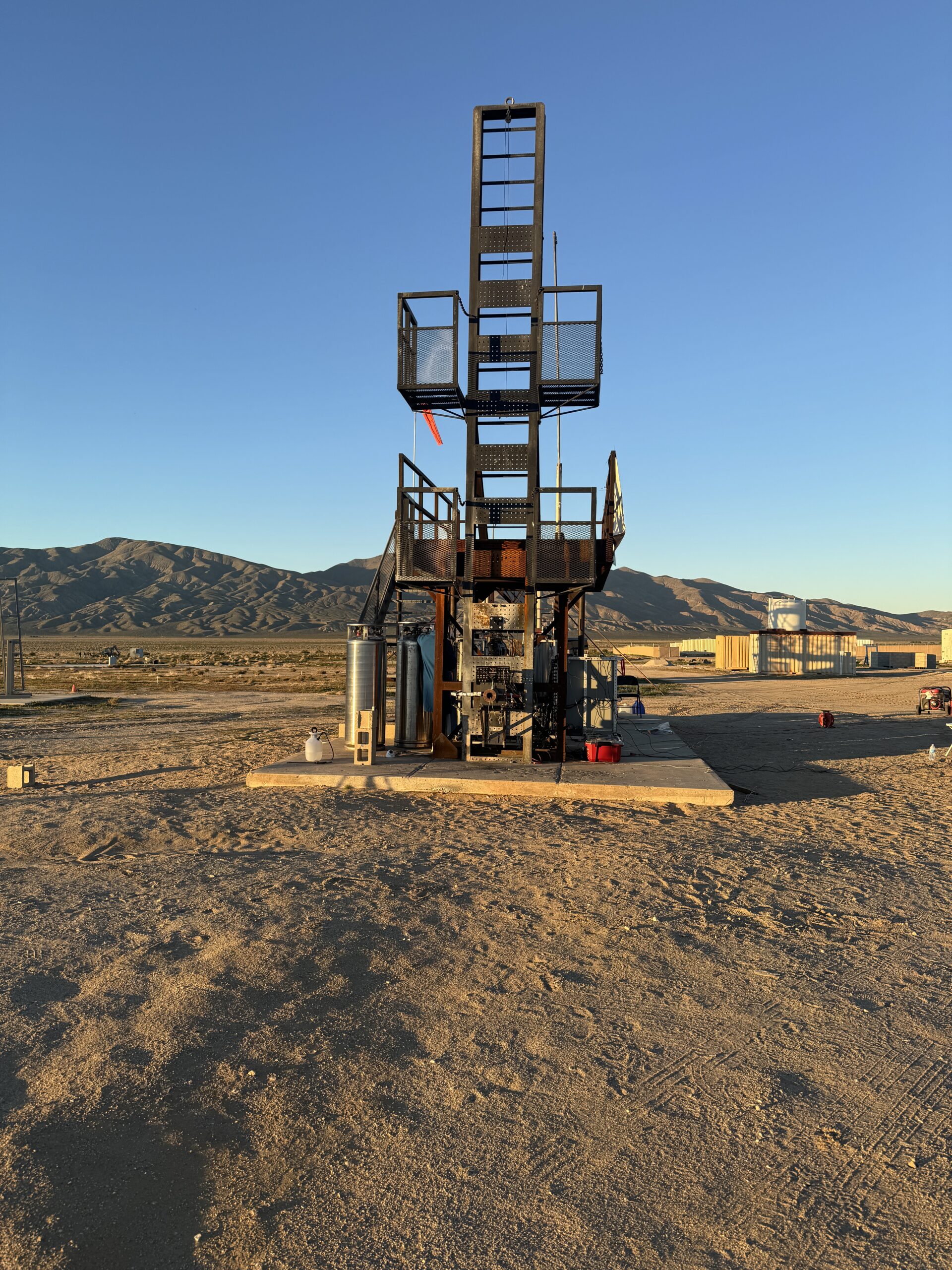
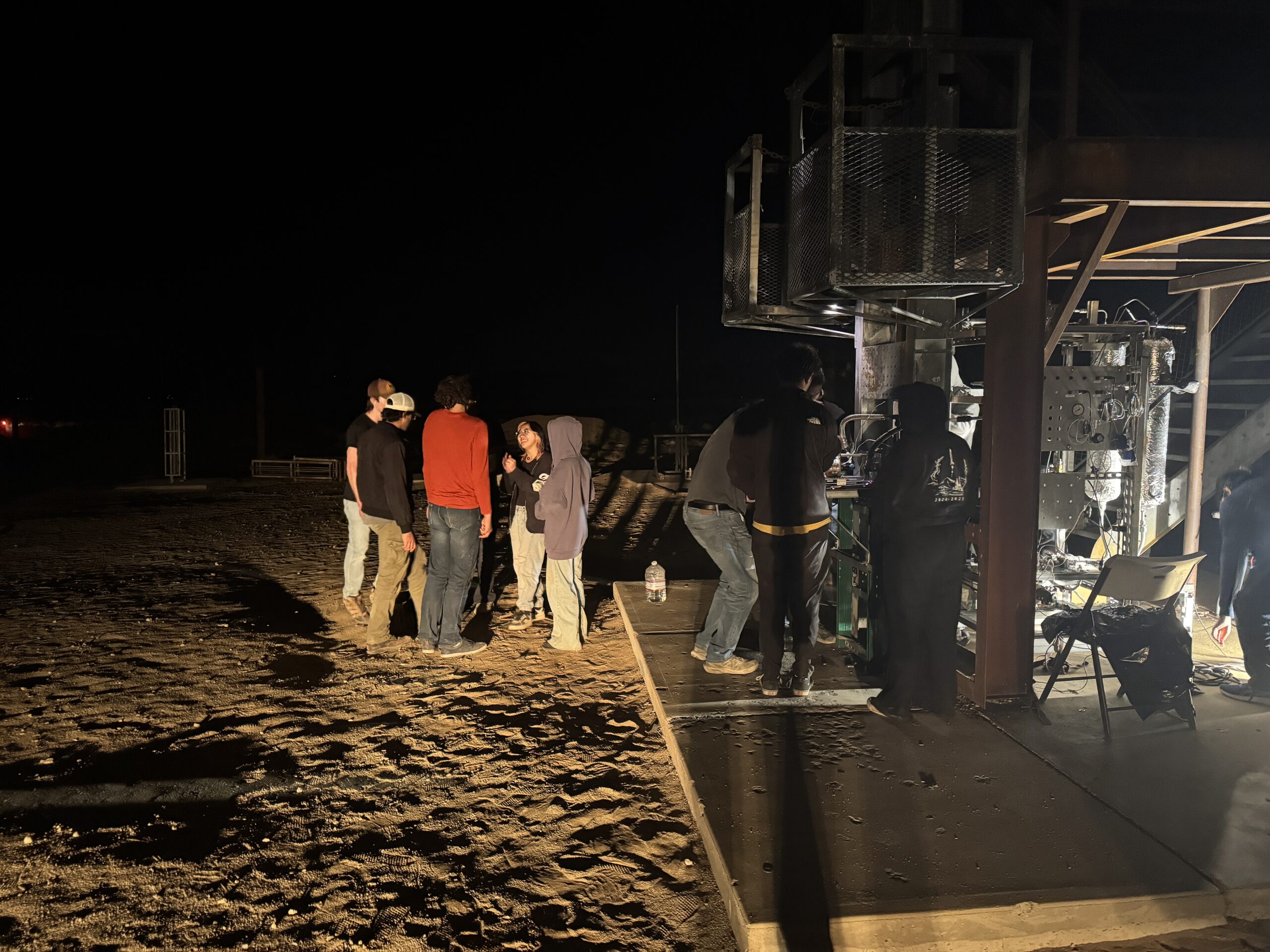
Liquid oxygen fill operations experienced a delay from a faulty gauge on the cryogenic pressurized liquid oxygen cylinder. Fortunately, the USC LPL “Atlas” testing rig had secondary pressure readings in the liquid oxygen run tank which were able to detect the pressure conditions necessary to proceed. Cryogenic liquid filling operations are not as precise as they can be and many teams are looking into making improvements in this area for both added safety and greater liquid loads into the tank.

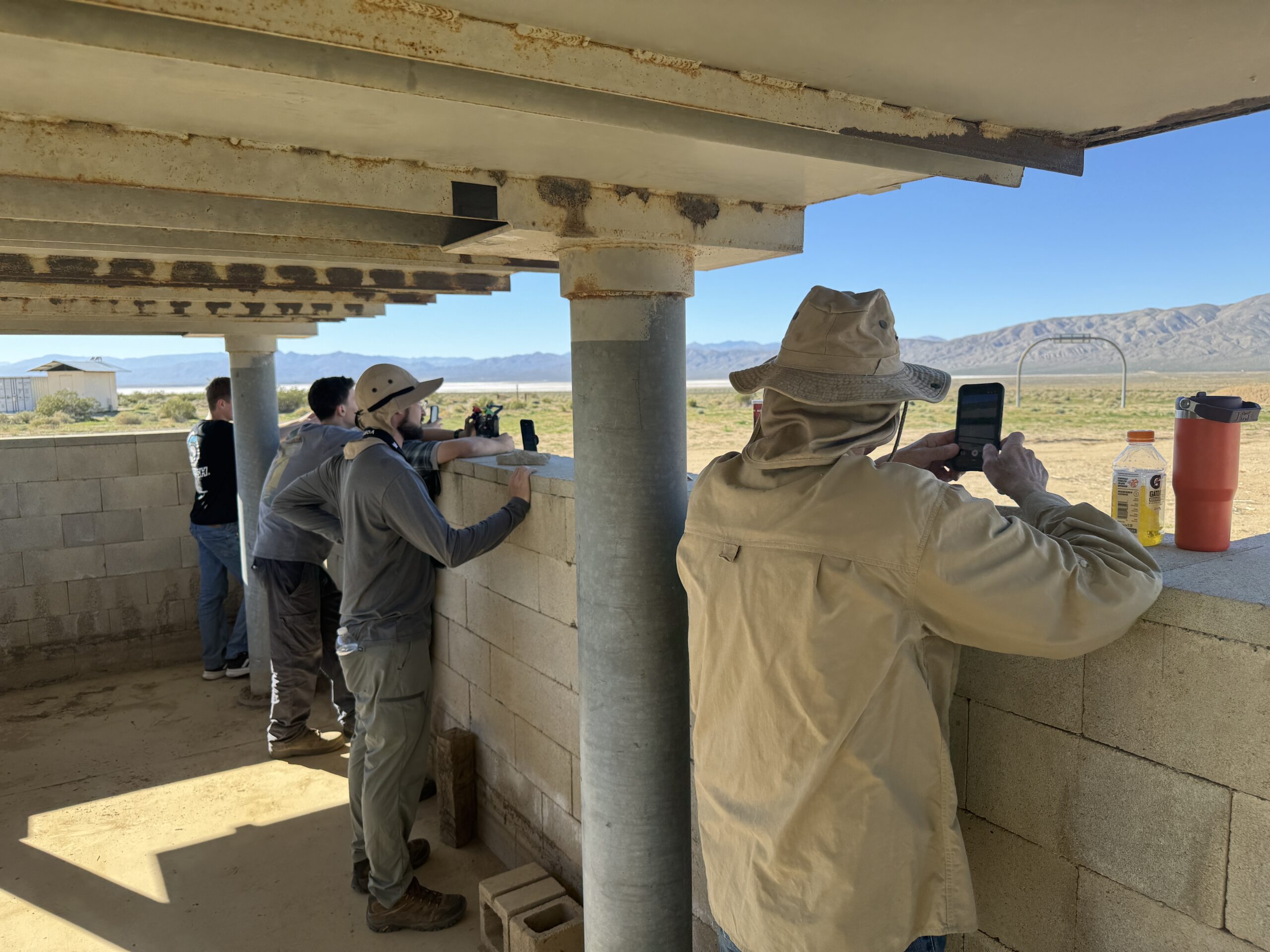
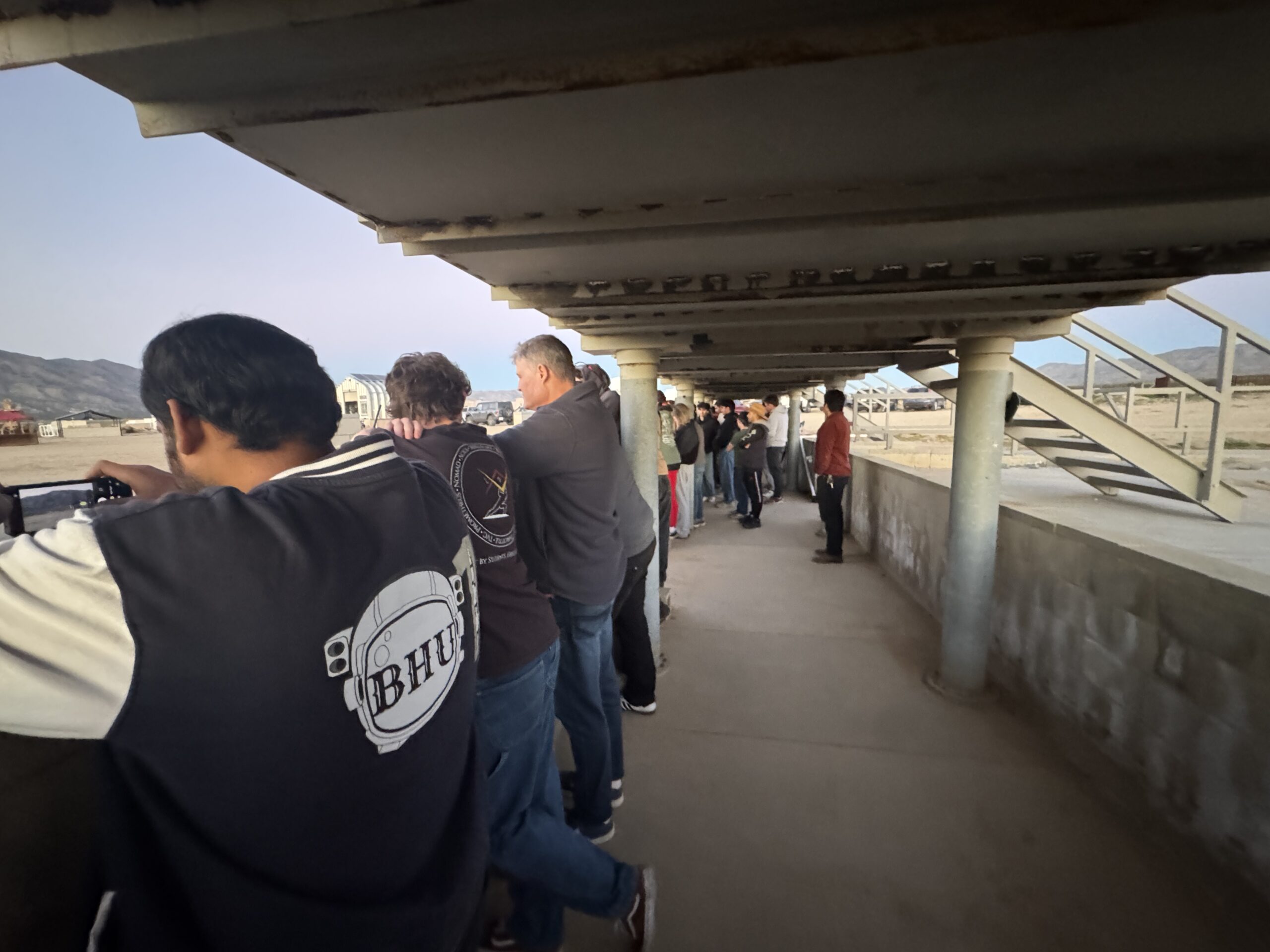
I want to thank the USC LPL team for their organization, professionalism and attention to detail. The spectators in attendance were well disciplined and quickly and patiently sought shelter when ordered. Other members of the USC LPL team helped with some of the more mundane necessities at the RRS MTA such as weed abatement which is something that is continuously required to lessen the fire hazards at our site. The RRS appreciated the contributions of all USC LPL members.
Despite having limited daylight hours, the USC LPL team managed to get sufficient data from the two firings they conducted before sunset. The first test was to get a baseline. The second test demonstrated a closed loop propellant valve throttling system which appeared to work as expected. The data gathered will guide their next firing series that will demonstrate their 3D-printed regeneratively cooled engine. USC LPL may return to the RRS MTA in the next few months to take advantage of the mild weather and relatively open calendar that the RRS MTA has during the winter months.
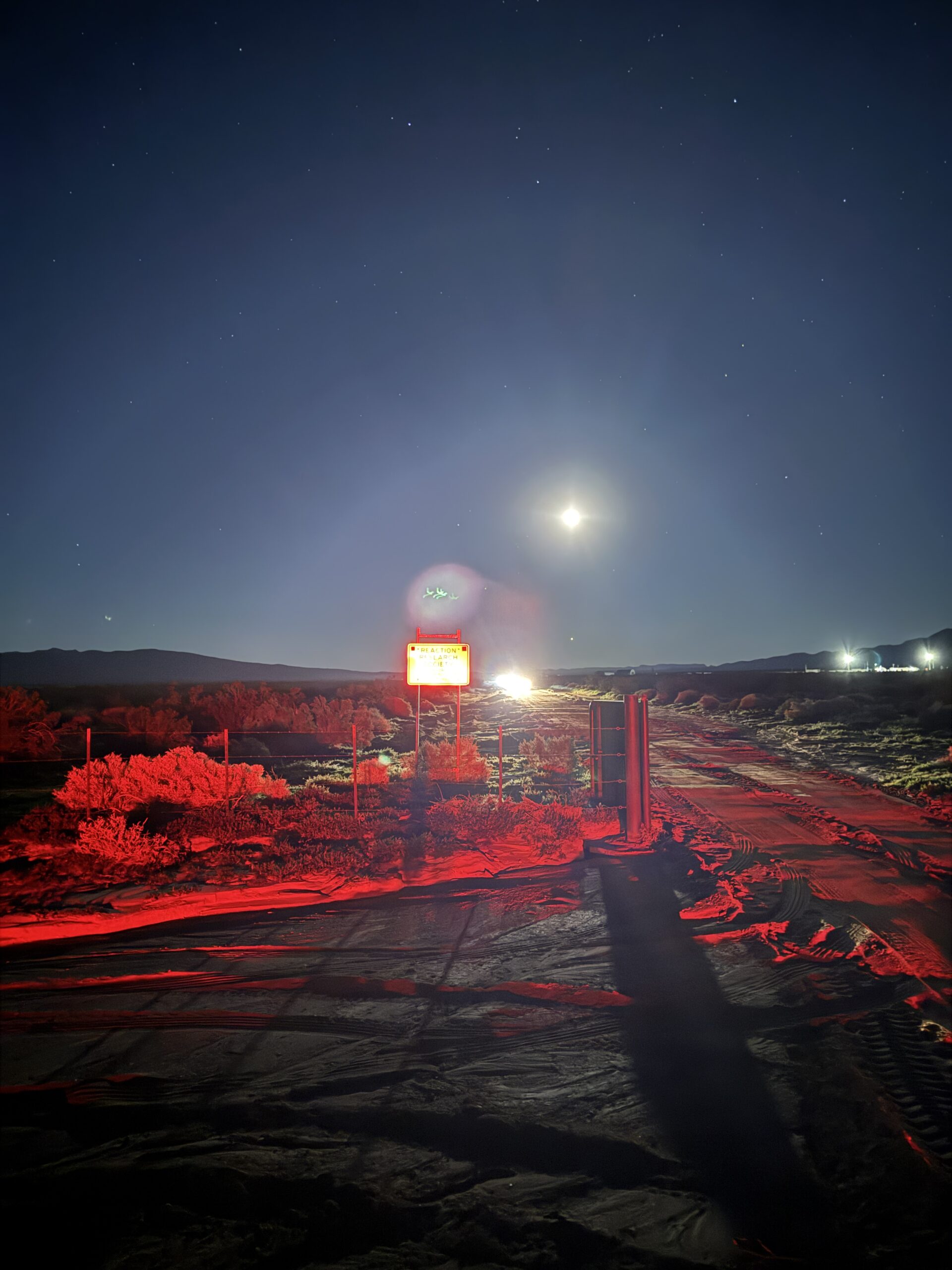
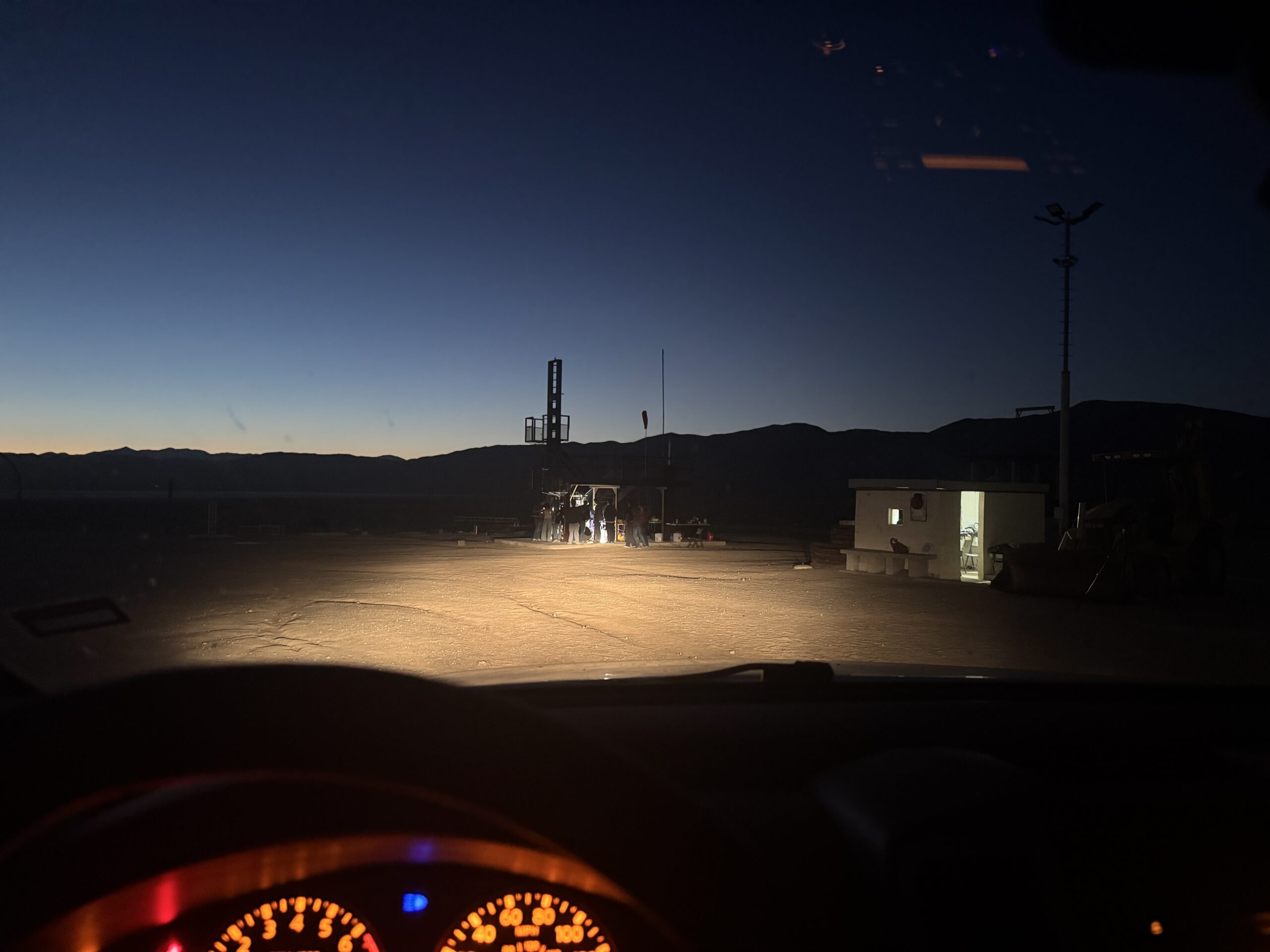
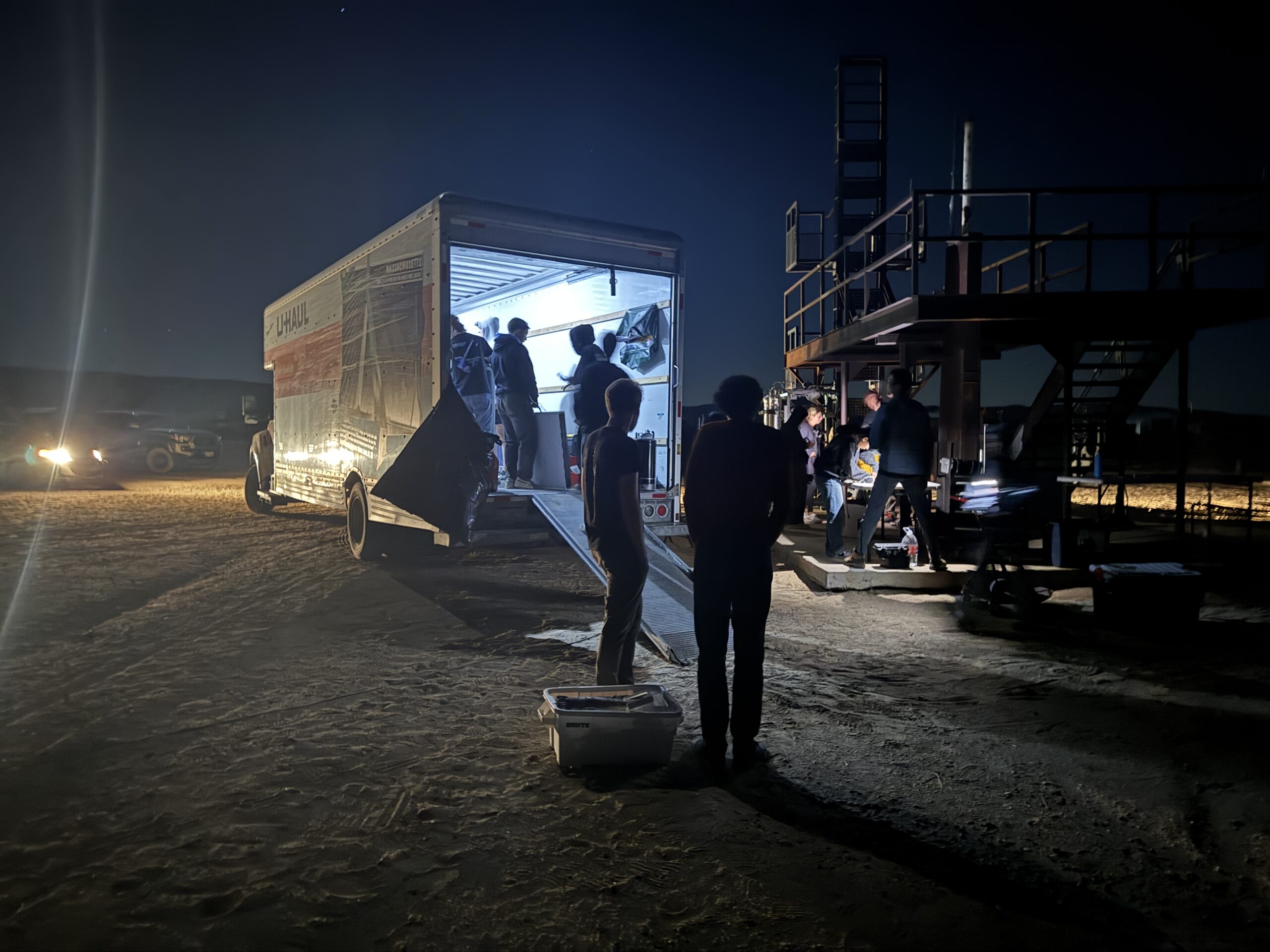
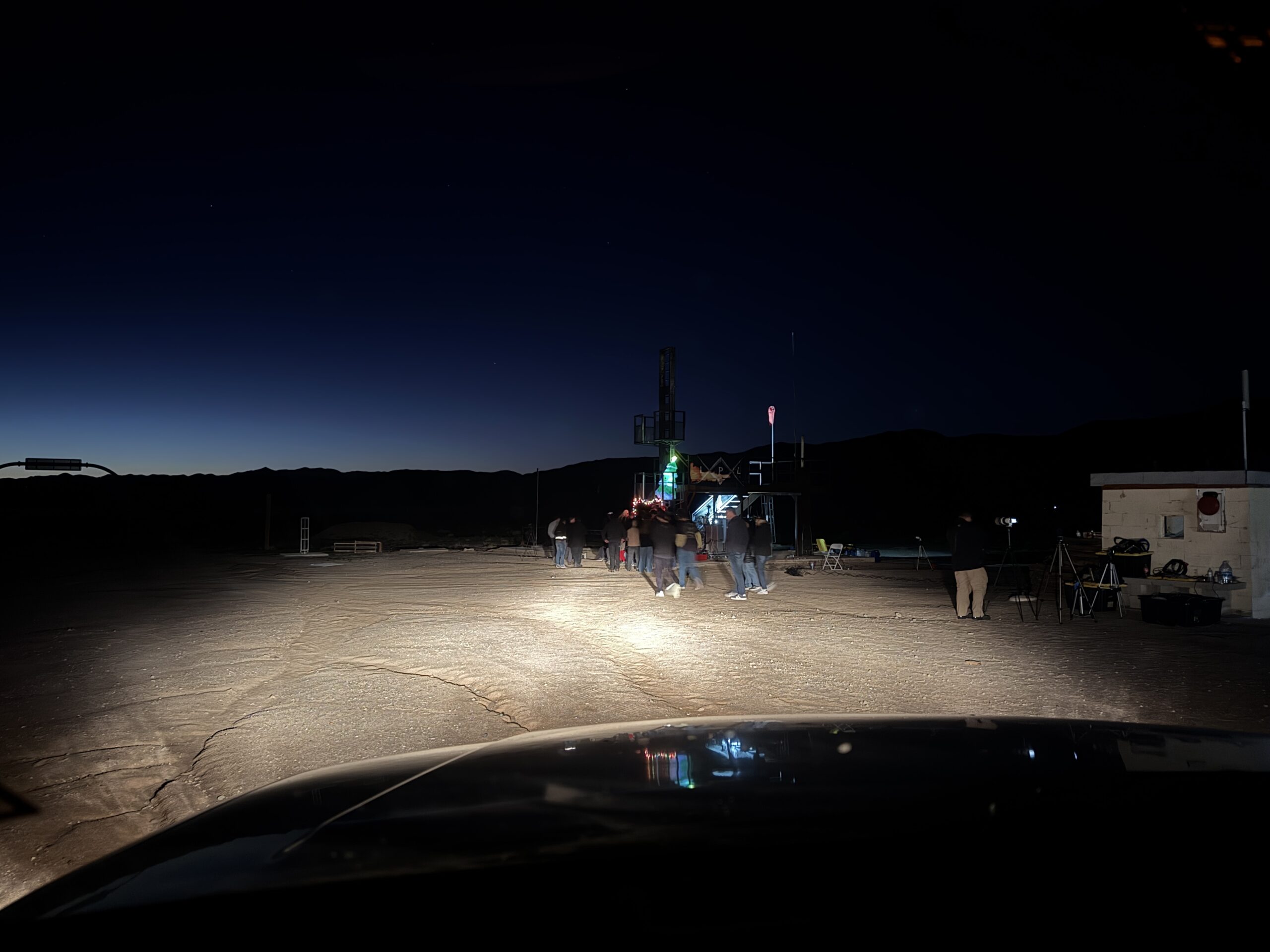
I remained on the site into the evening to assist USC LPL in their loading operations for departure. Many people remained to keep headlights on the relevant sites to assist in the clean-up and removal. The RRS has recently added area lighting to the MTA which will help future operations although state law forbids night launches.

For those wishing to use the RRS MTA, please contact the RRS President, Frank Miuccio.

president@rrs.org

For those wanting to learn more about the RRS and its mission to serve amateur and professional rocketry, come to one of our monthly meetings at the Compton/Woodley Airport on the 2nd Friday of each month. Next meeting will be held January 9, 2026.

Contact the RRS treasurer, Joel Cool-Panama for those interested in joining the society as an associate member.

treasurer@rrs.org

Spark Igniter System for a Rocket Engine

by Bill Nelson, RRS.ORG

This article describes the simple buzz box design I made for the GALCIT engine replica project done at the RRS MTA in early June of 2024.

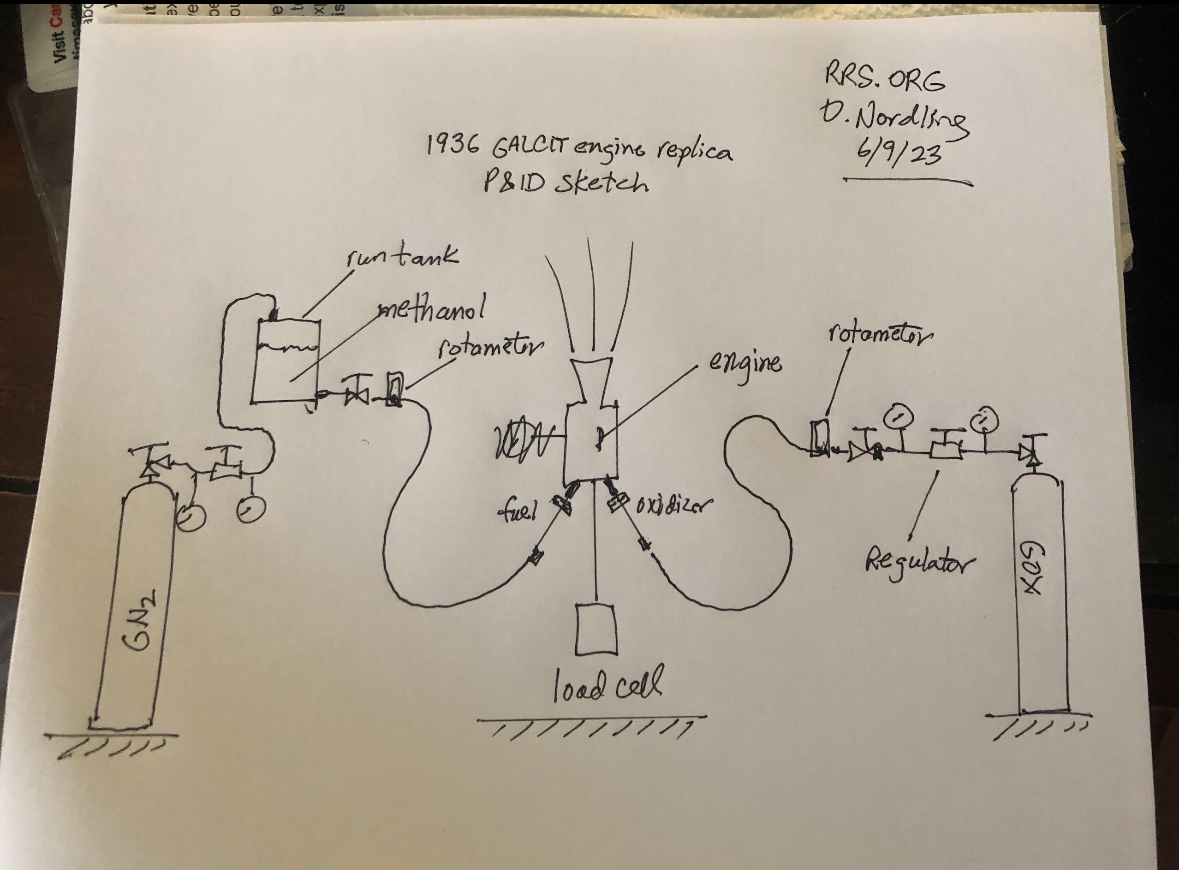
For some background, the GALCIT replica engine design was a simple single-port of injection, slab-type of early prototype engine design using liquid methanol and gaseous oxygen. The engine was vertically fired and initially used pyrotechnic igniters set into the narrow diameter throat. After initial tests at the RRS MTA in 2024, just like what the Caltech team discovered in the Arroyo Seco in 1936, we found that pyrotechnic-ignition was too difficult to do given the problem of physical retention of the igniter in the engine. The pneumatic gust from the initial valve openings would eject the pyrotechnic igniters before the chamber mixture could be lit.

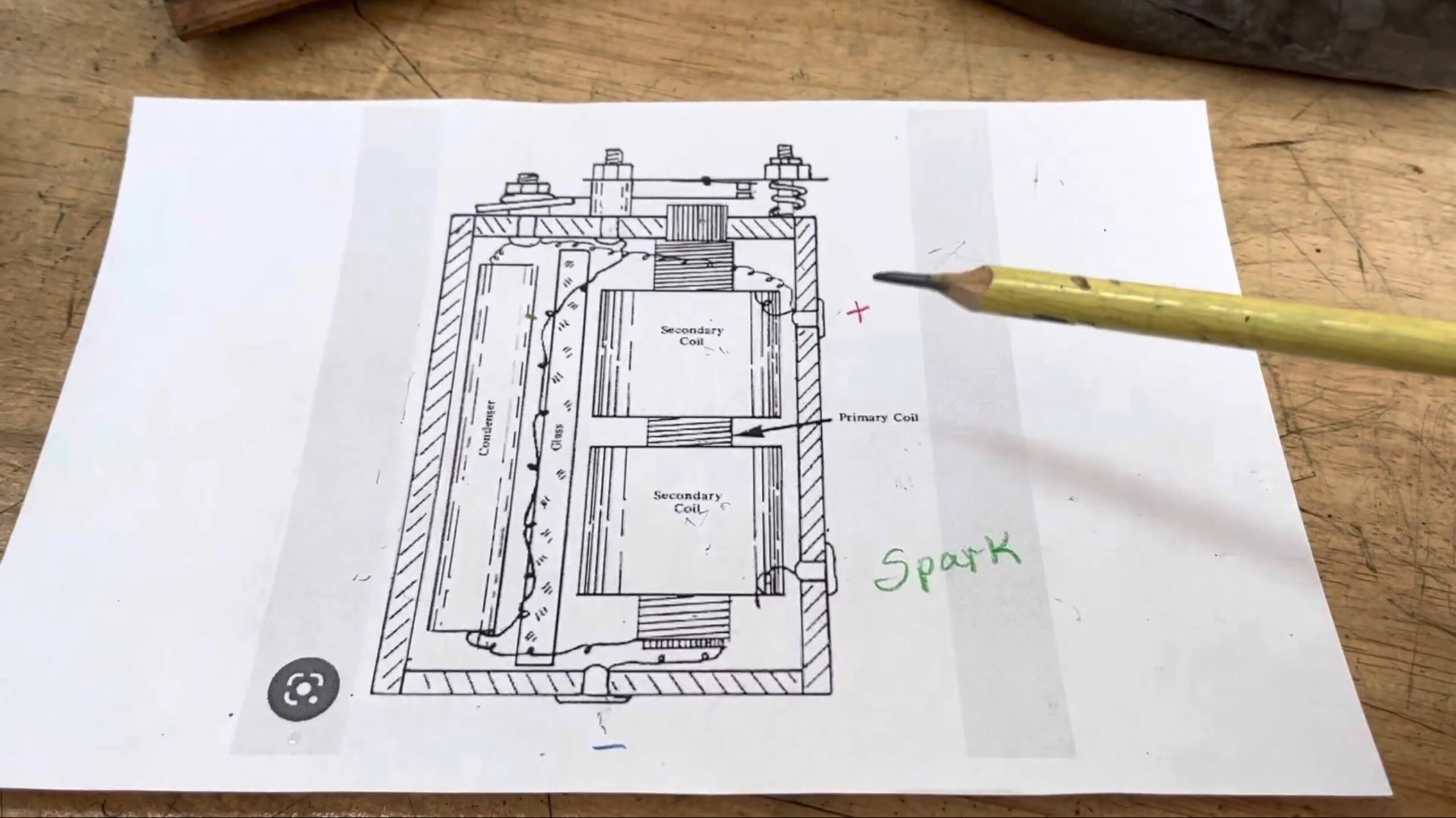
From one of the legacy JPL photos, it was clear that an automotive Model-T buzzbox and spark plug type of igniter was installed in the side of a later iteration of the engine design. When the RRS team made this modification, we had success in more reliable ignition of the engine. The problem was how to replicate a technology that has been obsolete for decades. Thankfully, there’s the internet and a lot of hobbyists and tinkerers.

There are many other circuits with lots of electronics that can also be made if someone is so inclined. Most of these use ‘555’ timer chips, transistors, and other solid-state components and can be accessed with a search on the web. I’m sure there are many knowledgeable electronics people that could design their own.

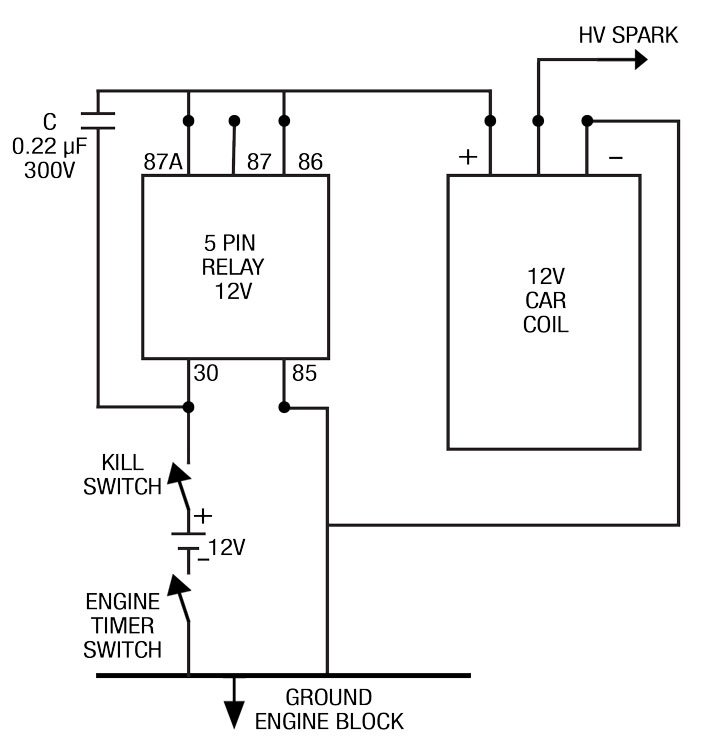
My design uses an automotive (transformer) coil, a capacitor (sometimes called a ‘condensor’), and a 5-pole automotive relay that is a single-pole, double-throw relay (SPDT) type. There is another simple approach which I will describe later.

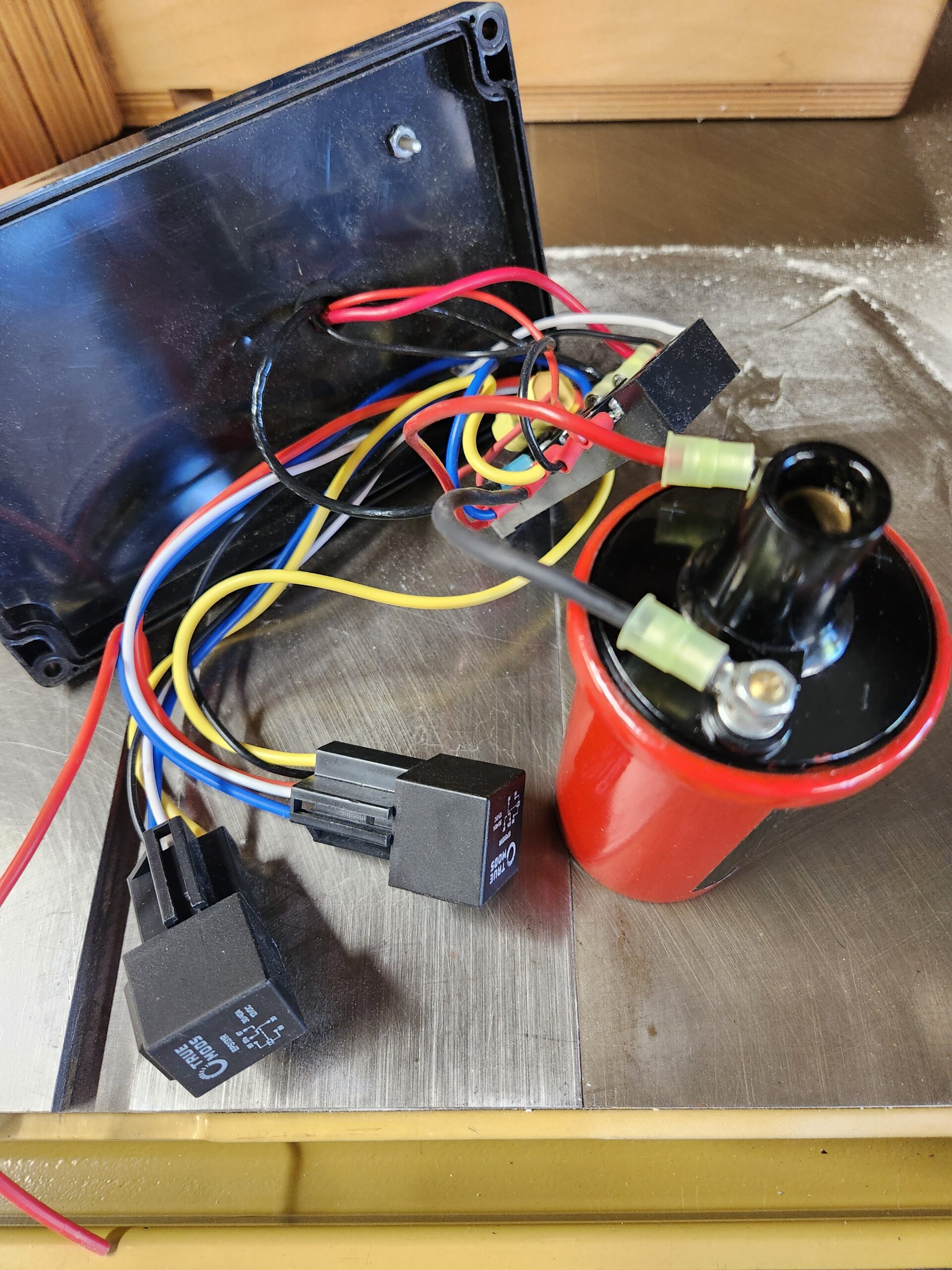
The circuit I used is very simple. When 12-volt DC power is applied to the relay pin marked ‘87A’ it will switch on and off at a rapid rate until the power is turned off. The relay will energize the automotive coil which in turn will fire the spark plug. As long as the relay is being energized, the coil will continue to produce sparks. This was advantageous to reliably firing the GALCIT replica engine with the liquid methanol and gaseous oxygen mixture. This simple system would most likely help others achieve ignition when other systems might fail. Below is a circuit diagram and a photo of the box I hurriedly made after our RRS team had trouble with the pyrotechnic firing approach. Only one relay was in the firing circuit, the other was a relay to control the circuit remotely from a separate battery.

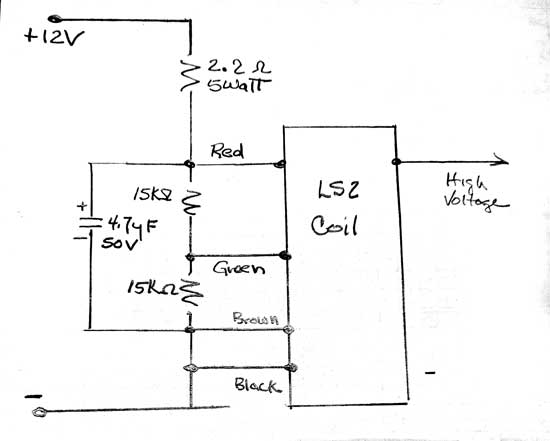
Another approach uses a coil on plug design. These coils are used in modern cars. Instead of having one coil for all the cylinders, each cylinder has its own spark coil. I have not tried this but it appears to be simpler and have a much greater spark rate and a larger spark. Here is a circuit diagram and picture of one of these systems. This looks much better in my opinion and I will build one to experiment with. The write-up doesn’t say exactly how but I assume the spark pulse is generated as long as power is applied to the circuit.

Both of the above circuits can be found at the link given below, searching under the term ‘buzz box’

gasenginemagazine.com

The first two listings are the ones to read.

There is not much more than this to these buzz box circuits except if you want to make it more complicated and expensive. These circuits just use common sparkplugs, hobby model gas engines (for model airplanes), small engines like those for weed whippers and chainsaws, or even spark ignition systems used in automobiles. There are also specialized plugs made just for rocket engines but much more expensive.

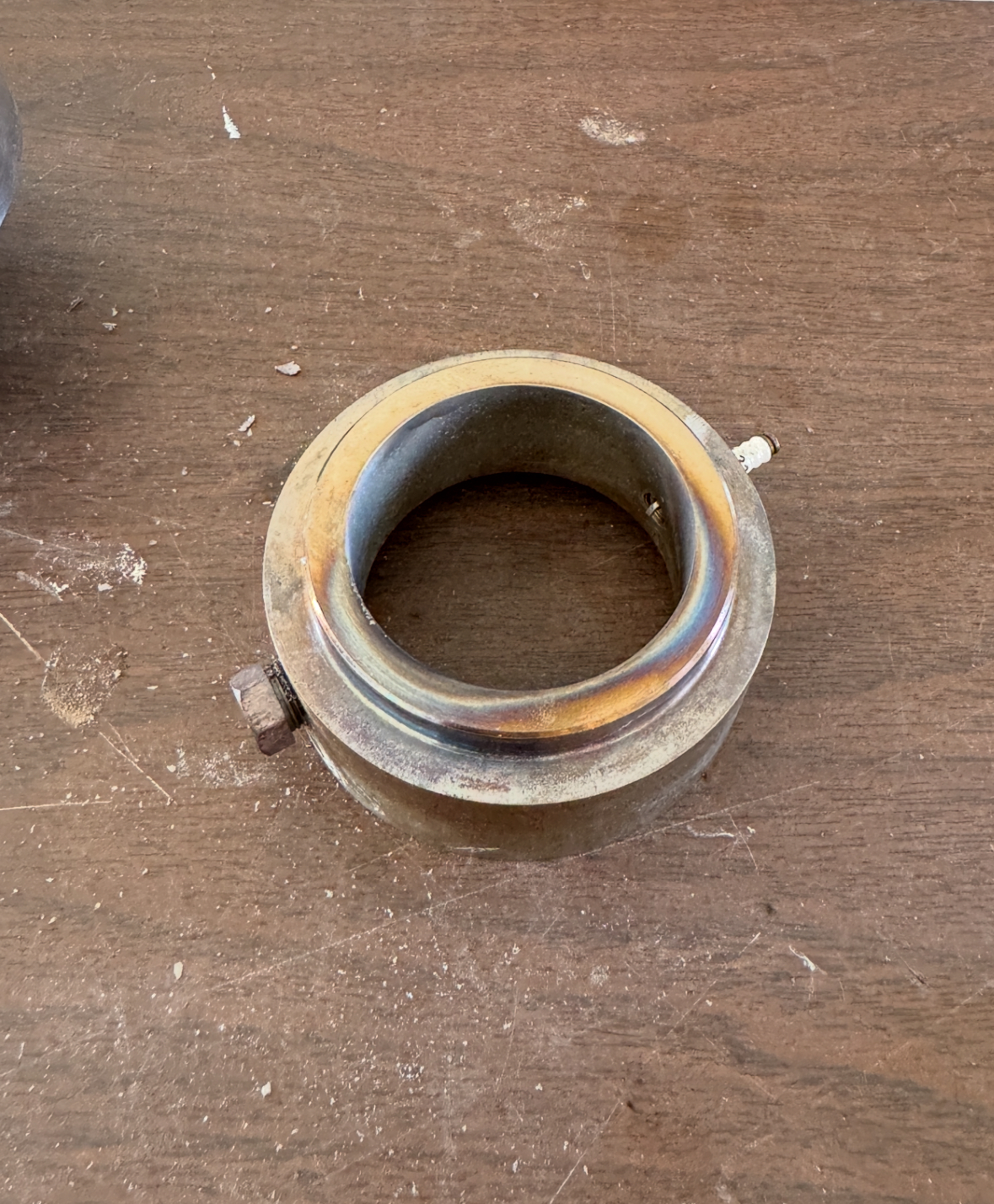
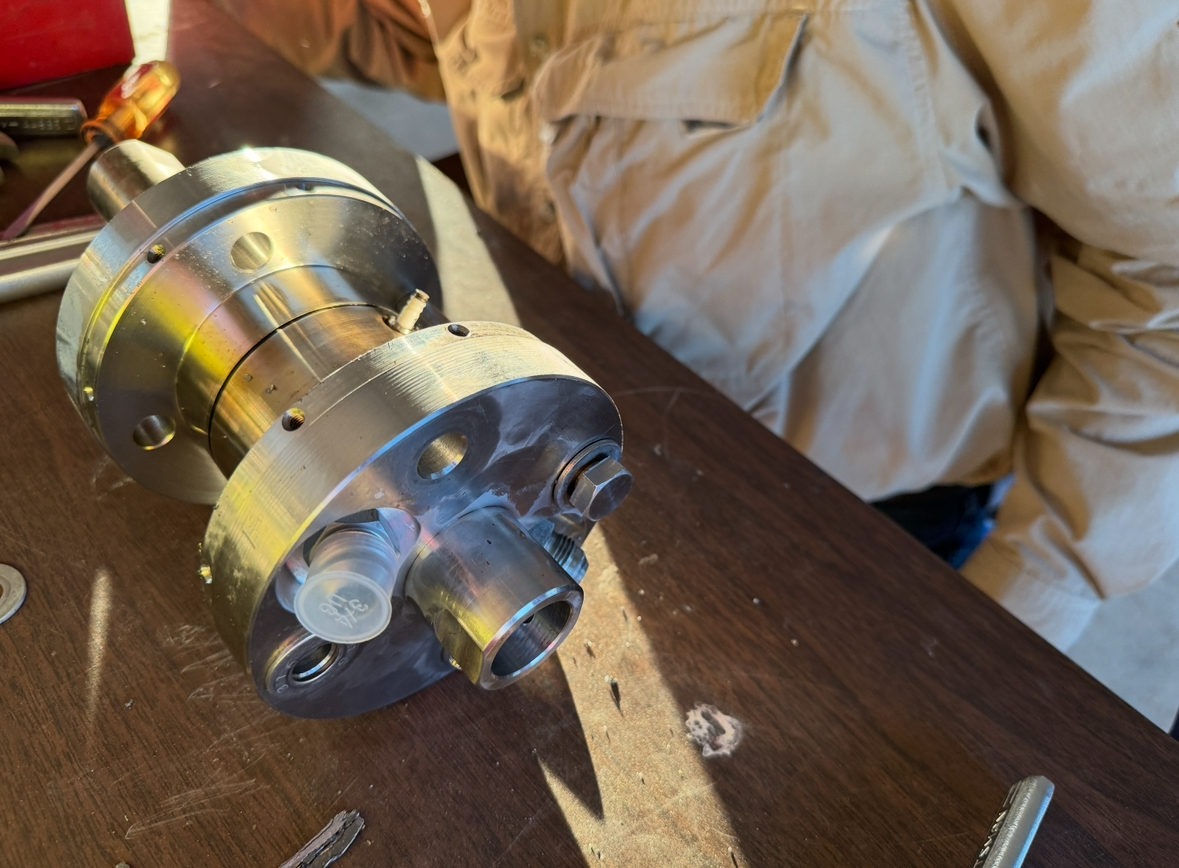
Below are some photos from the GALCIT replica engine in early June 2024 and how the sparkplug was mounted into the chamber interior. This is the middle ring of the modular slab engine design. We had one port drilled for mounting the sparkplug and the other tapped for a pressure gauge which we didn’t use (plugged).

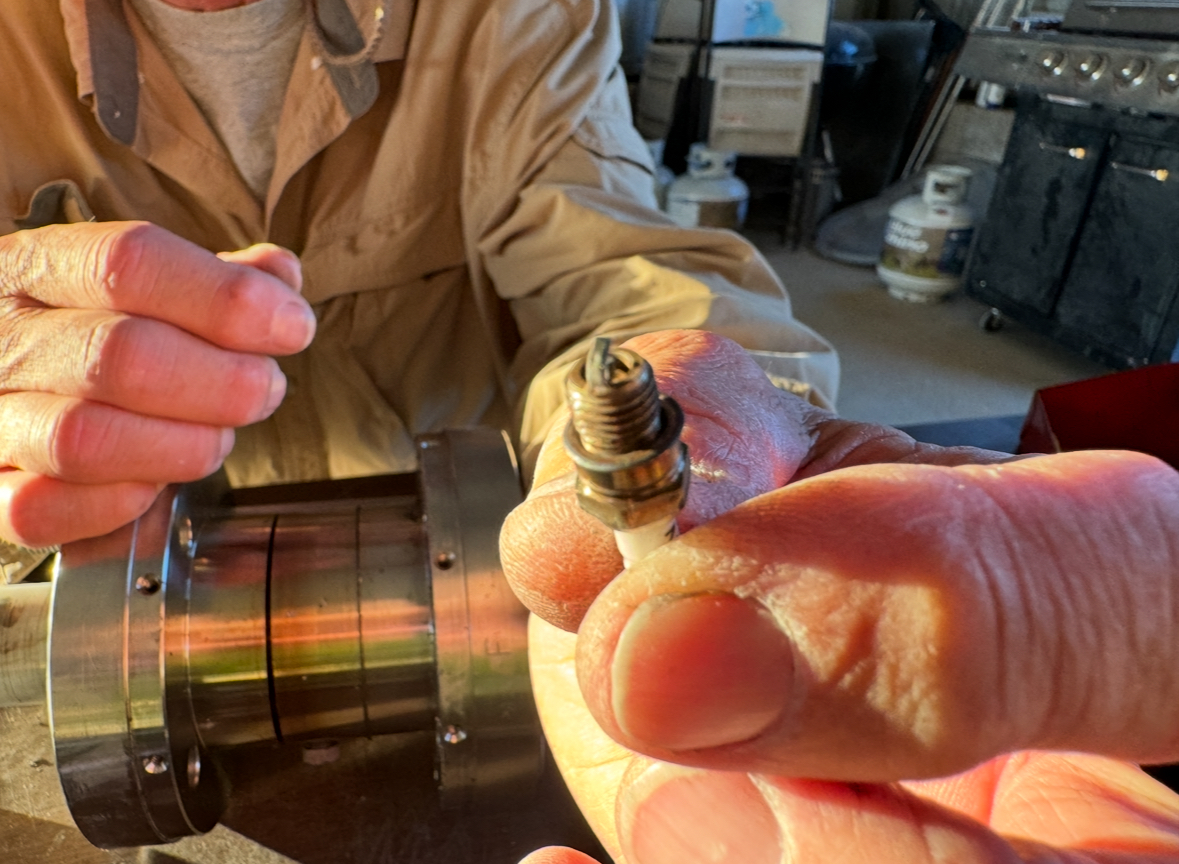
The spark plug we used lasted many firings in the rocket chamber with almost no damage other than some discoloration.

The spark plug can be seen sticking out of the middle ring of the engine. The injector ports are seen in the foreground, one still has a plastic cap covering it. The raised circular port is to mate the engine to its supporting thrust stand shaft as the engine fires upward.

Many liquid engines at the RRS MTA have nozzle-mounted pyrotechnic igniters which can work with the right design, firing sequence and precautions, but there are some significant problems and hazards with this approach.

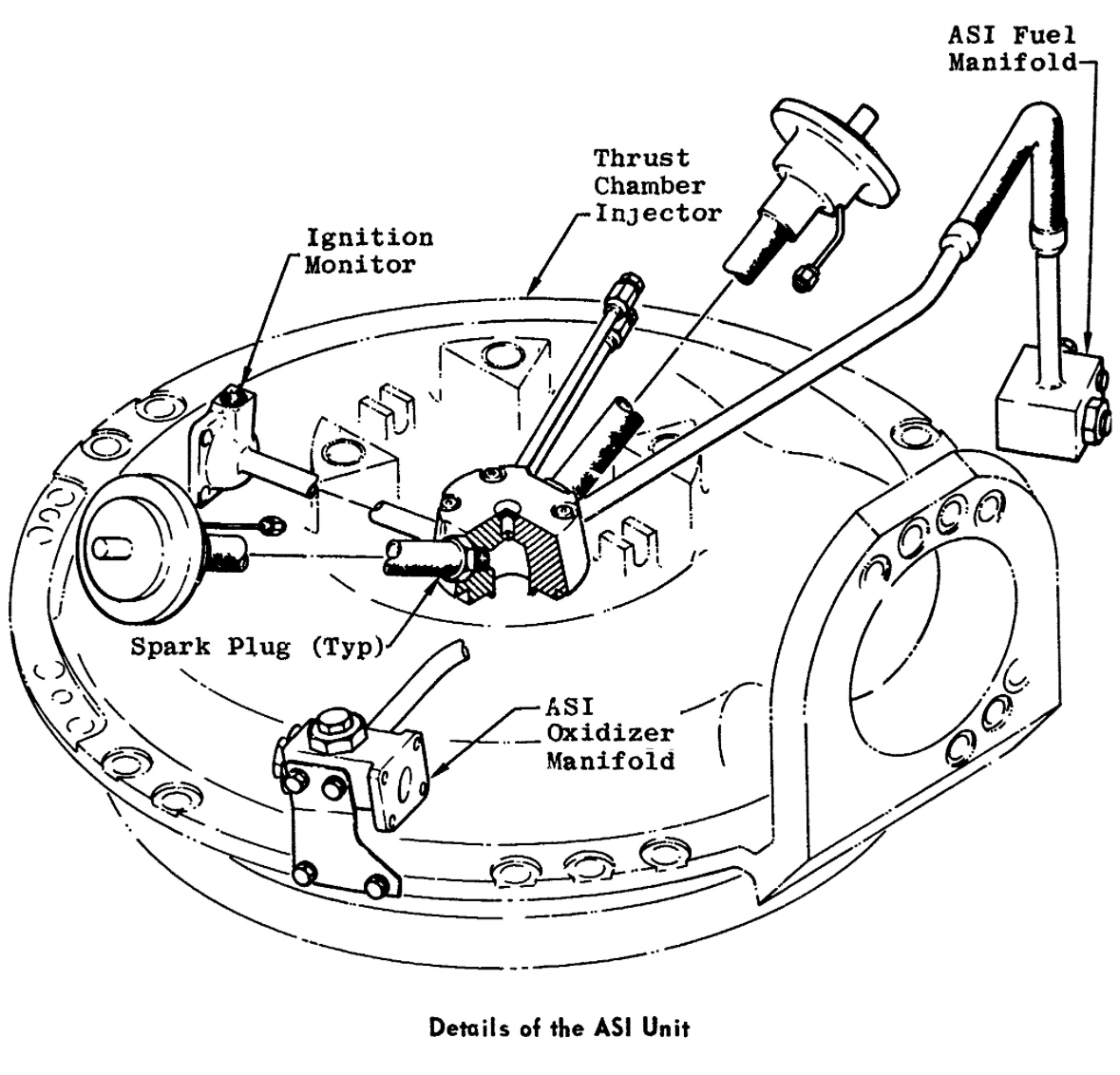
Modern rocket engines often have their igniters mounted into the injector body or chamber wall near the injector face, but this is easier to do with the greater area available on larger scale engines. Often, these augmented spark igniter (ASI) systems have a small fuel and oxidizer supply to provide a readily ignitable localized mixture to touch off the larger propellant flows in the injector. The picture below is from the Apollo-era J-2 engine. For smaller engines, the igniter is placed directly into the chamber in a location that can reliably and quickly light the initial propellant flows into the chamber.

Most hobbyist designs are smaller where head-end ignition isn’t easy or simply not practical, thus nozzle mounted designs are commonly used.

The use of a spark-plug type of igniter may offer an alternative to pyrotechnic ignition and possibly greater safety against backlighting and hard engine starts or simply catching something downrange on fire after the igniter is spit out. Changing the ‘immersed torch’ design from a pyrotechnic charge to a commercial spark plug design would be straightforward and only require the addition of a buzz box module into the existing firing circuit designs. The RRS may soon attempt this with one of the many liquid and hybrid projects being done at the society.

Dave Nordling and Steve Majdali contributed to this article.

For use of the RRS MTA, contact the RRS president.


MTA Firing Report, 2025-11-01

by Dave Nordling, Pyrotechnic Operator, RRS.ORG

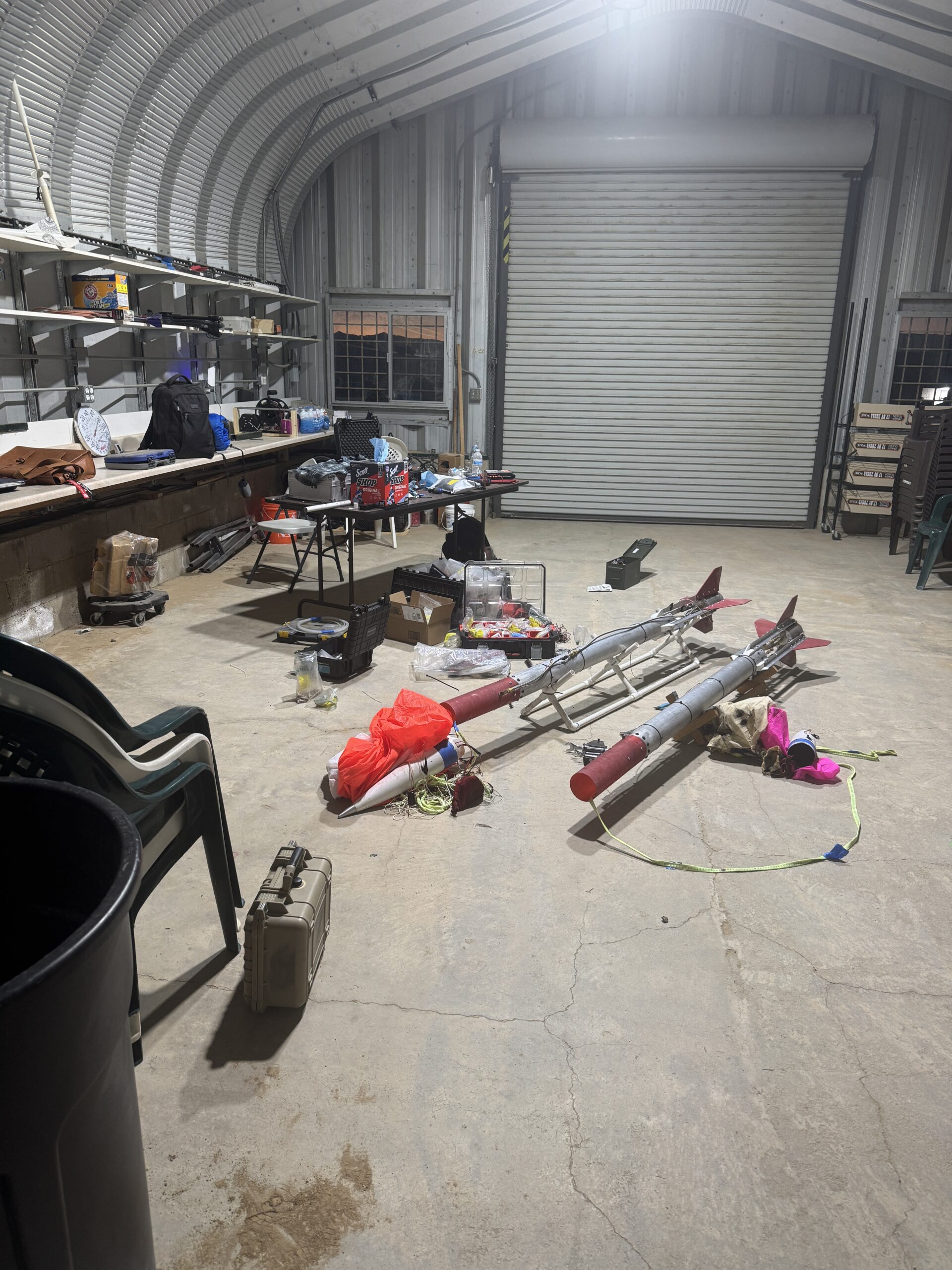
The Reaction Research Society (RRS) held a liquid-fueled static fire event of the UCLA Rocket Project’s latest designs at the Mojave Test Area (MTA) on Saturday, November 1, 2025. We also had a member project that day with Austin Sennott and Charles Sharp launching three versions of their Half-Cat design.

The weather was quite good all day with very low winds and mild temperatures. The teams seemed well prepared and briefed me on their operations prior to commencing propellant operations. RRS member, Bill Nelson, assisted me in overseeing the event as my apprentice.

UCLA’s first static firing had a no-start condition on their igniter due to an open circuit which was easily corrected, but the team opened the run valves dumping the alcohol and liquid oxygen. For safety, the team ran the tanks until empty and simply waited to let the reminder of the liquid left in the horizontal internal space of the engine evaporate. UCLA would correct their operational mistakes on the next run.

While the UCLA engine was drying and the system rendered safe, the Half-Cat team got the next operation and conducted fuel filling and remote nitrous oxide filling. The Half-Cat design has flown nearly a hundred times at both the RRS MTA and FAR. They had three successful launches one right after the other. All vehicles were recovered with only one recovery system getting tangled. The HalfCats flown that day were gasoline and nitrous oxide which was loaded by a remote controlled system from the Garboden bunker.

UCLA returned to their static-fire operations after the HalfCat team was complete. They corrected the problem with the igniter and replaced the engine. The second run was a little more successful.

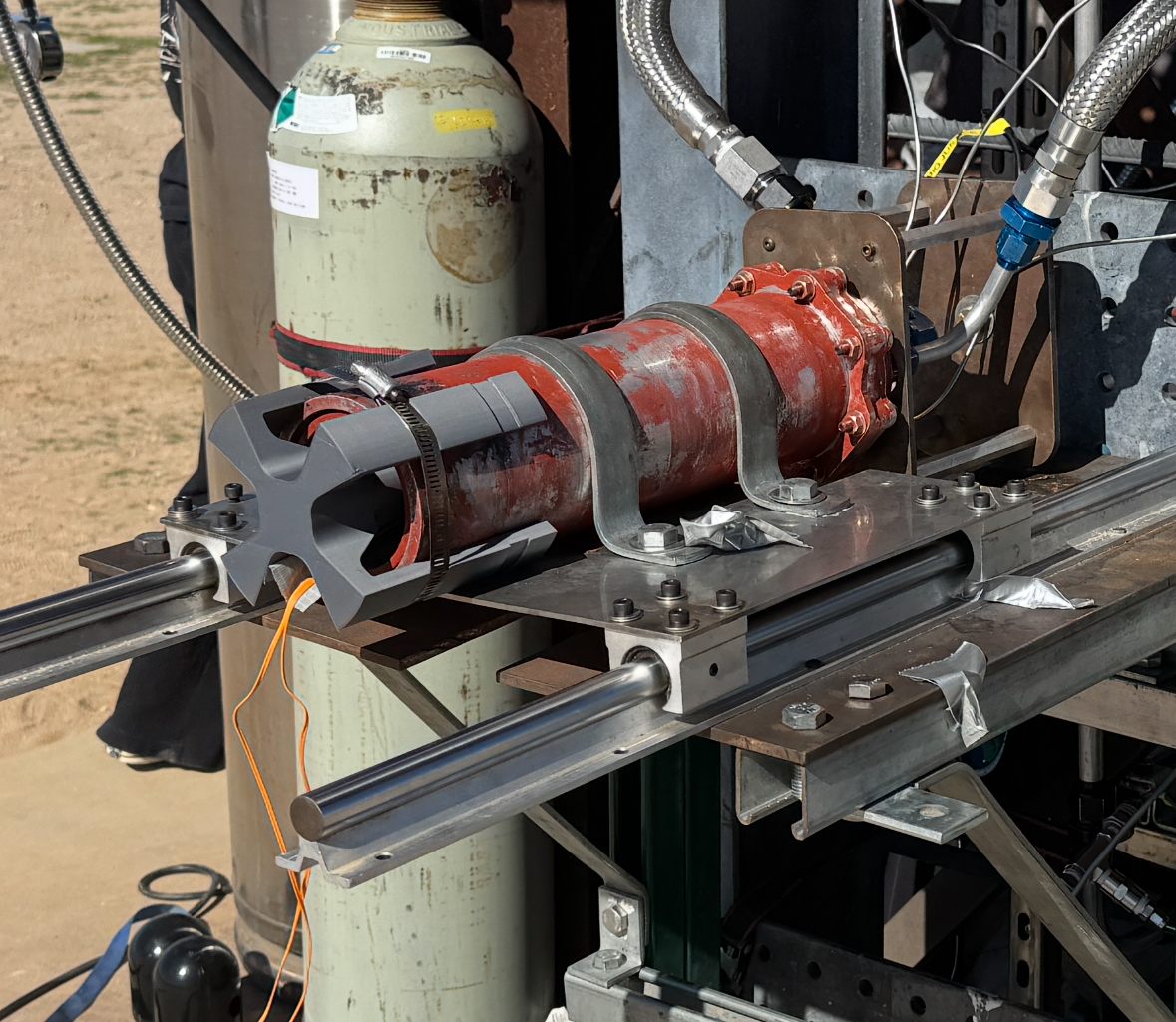
The UCLA team is testing the latest iteration of their ethanol (75% with water) and liquid oxygen impingement injector. It has an ablative liner running the whole chamber length to a graphite converging-diverging nozzle plug. An aluminum shell provides structural strength holding the assembly together. Ignition of the engine is by a nozzle-mounted pyrotechnic igniter (model rocket motor) held in place by an external clamp. The system has worked well in recent iterations.

Firing operations on this second attempt proceeded as planned with a clean, steady burn. Unfortunately, near the end of the run, the engine experienced burn-through and the chamber ruptured upstream of the nozzle in the upward location. Operations concluded safely and after a cooldown period, the engine was inspected. The data suggested the chamber pressure and mixture ratio was higher than predicted, but the ablation of the liner seemed relatively even circumferentially. The G10 plastic liner was thought to be able to last longer. Some concern was raised about variability in the product used today versus that used in the past. The failure was relatively benign and adjustments to the propellant feed should correct the issue.

The UCLA team intends to fly their next vehicle for the FAR-MARS competition at the end of the Spring Quarter 2026. The single engine tests are necessary steps in selecting the right design for the best outcome. Although the sun was getting low, UCLA requested a third test with their next engine prototype. The team worked quickly to install their last engine of that day.

The team finished the installation, verified no leakage and began fuel and oxidizer fill operations. Remote pressurization operations went well and the team proceeded into the count. The second engine fire was steady and ran to completion. The pressurants were bled down and the system rendered safe. After some cooling off, the engine was inspected.

Some sparks were seen exiting the plume and some graphite ablation (small chunks popping out) at two locations around the convergent side was detected during inspections after engine removal. This is somewhat normal for some types of graphite. The UCLA throat design has a more gentle contour that can permit some of this undesirable ablation pattern without opening the throat area and decreasing performance.

The second engine firing was a success in that it could be reused. UCLA had a third design that was 3D-printed and regeneratively cooled, but no further operations were permitted that day given the late hour. The UCLA team expressed interest in returning to the MTA for another round of testing. The RRS is glad to assist university teams with their projects.

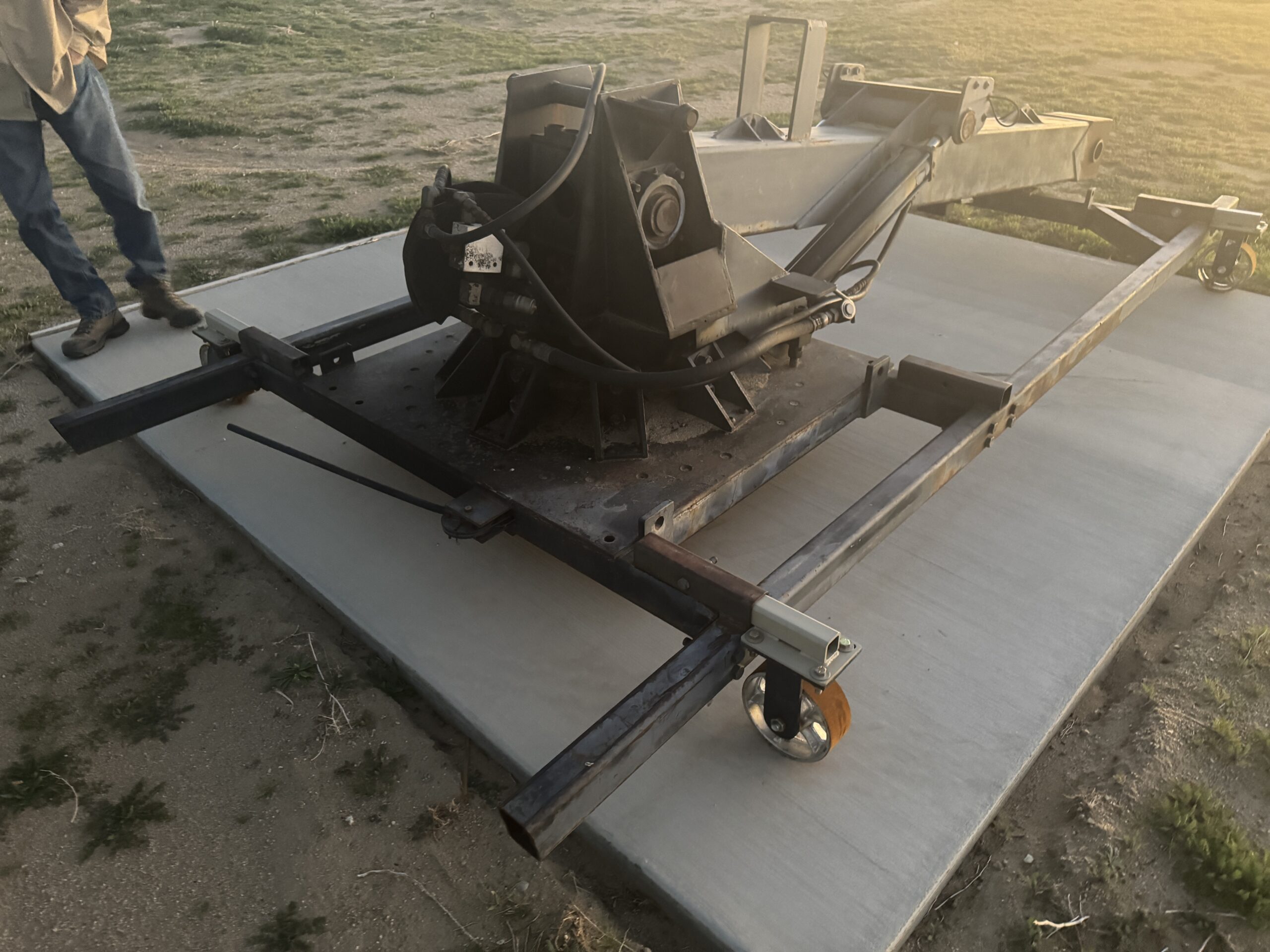
During UCLA’s last installation operation, I took the time to look at the RRS’s second 60-foot launch rail which is still under construction. The Jurassic Launcher is so named as the underlying custom-built hydraulic lift system was one of a few used 30 years ago in the 1992 movie, Jurassic Park. The RRS was glad to purchase the system and is in the process of refurbishing it for liquid rockets needing a longer run length.

The steel backbone structure was a radio tower donated to the society by RRS member, Waldo Stakes. Some welding repairs have been completed and a short extension was put at the end to give a full 60-foot run length. The backbone needs a little more of the finer work to get the rail lugs installed. There is also some work to be done replacing hoses, cleaning and rebuilding valves and the pump if needed, building structural pieces, mounting and integration of the backbone and restoring the reservoir tank. Once finished, Jurassic Launcher will be a valuable asset to members and clients at the RRS MTA

Austin and Charles gathered all three of their rockets and gathered valuable data with their prolific and growing flight history at the RRS. Several members indicated their interest in building a HalfCat or a derivative version. I was also grateful to them for their professionalism and efficiency in operations. They were a good example for the teams at the MTA.

I was also grateful to the UCLA team who similarly showed maturity and patience in their operations which led to useful results despite a few setbacks. They policed the area for their trash and loaded their equipment for departure with practiced ease.

For those groups and members wanting to use the RRS MTA, contact the RRS president, Frank Miuccio. president@rrs.org

The next monthly meeting of the RRS is every 2nd Friday at the front office of the Compton/Woodley Airport. Next one will be December 12, 2025.